
Climate Resilience on the Farm
Farmers are using practices to make their farms more resilient as the climate changes. From heavy rains to extreme drought and damaging winds, farmers are adapting and changing.
Erik Hatlestad

Erik Hatlestad
Erik farms 850 acres in west central Minnesota with his parents, Phil and Carolyn, and his brother, Adam. They were early adopters of no-till and have strong water management practices including buffer strips. Read more about their farming practices.
Mike Seifert
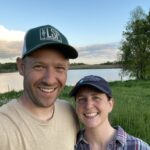
Mike and Dana Seifert
Mike and Dana Seifert are the fourth generation to live and work on Mike’s family farm in Jordan. Ravenview Farm is a 100-acre farm, with 65 acres of cropland. They came back to the farm five years ago and have made many changes. They still grow corn and soybeans but they also grow small grains and hay crops and they're raising broiler chickens on pasture, making maple syrup and doing a lot more direct marketing. Learn more about their farming operation.
Harmon Wilts
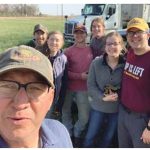
Harmon Wilts and family
Harmon Wilts was a technical agronomist for DEKALB/Asgrow until retiring in July 2022. He and his wife, Gina, started farming in 1999 with a goal of keeping the land in the family and saving it for future generations. Today, the couple farms 1,400 acres of corn, soybeans and sugar beets and raises beef with their three daughters in Swift County.
Grant and Dawn Breitkreutz
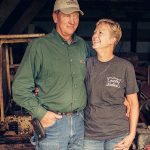
Grant and Dawn Breitkreutz
Grant and Dawn Kreitkreutz own and operate a fourth-generation family farm near Redwood Falls. The farm produces pasture-raised beef, laying hens, broilers, seasonal heritage breed feeder pigs, non-GMO corn, feed and food-grade soybeans, cereal rye for seed, alfalfa and other crops. The couple are champions of soil health and experts in regenerative agriculture, hosting, leading and teaching farmers through Soil Health Academy workshops
Matt Kruger
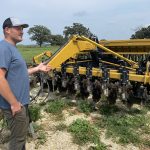
Matt Kruger
Matt Kruger bought his farm in 2020, staring with an 80-acre piece in Pine Island. He raises beef cattle and crops. He says farmers need to focus on the agronomic and economic reasons to implement sustainability practices. He promotes and educates cooperatives and ag retailers on the importance of sustainability through his job.
Tessa Parks
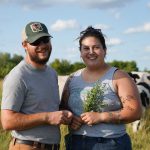
Wyatt and Tessa Parks
Tessa Parks and her husband, Wyatt, are first-generation farmers raising grass-fed dairy beef and operating a custom hay business in Rice County. They established their farm in 2021. They raised 15 steers in 2022 and they direct market their beef to consumers. Temperature and permanent infrastructure are their biggest challenges for climate change management.
Brenda and Nate Rudolph
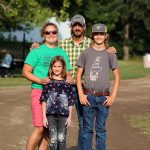
Brenda and Nate Rudolph family
Brenda and Nate Rudolph purchased his family's farm in 2011. The couple transitioned away from milking cows to direct marketing pork, beef, lamb and chicken. They also custom raise dairy steers and grow corn, rye, oats and alfalfa. Brenda also operates Raising a Farmer, a non-profit organization that strives to connect rural and urban communities through food, art, farming and community. Nate says weather patterns are very different now compared to when he was a kid.
Tom Schulz
Tom Schulz
Evergreen Lane Farm was established in 1888 and today consists of 360 acres in Ottertail and Wadena counties. Tom and his wife, Kyle, bought the farm in 1974. Tom is the third generation to be responsible for the stewardship of the farm. He is involved in the Wadena County Soil and Water Conservation District and is a committed conservationist.
Mike Orbeck
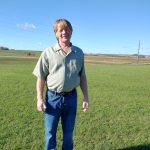
Mike Orbeck
Mike Orbeck has farmed with his family in Paynesville, located in Stearns County, for nearly 40 years. The Orbecks manage a 100-cow dairy and farm more than 700 acres of cropland that includes corn, soybeans, alfalfa, rye and oats.
Pettit Pastures
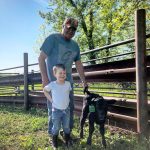
Tim Pettit and his grandson, Aidan.
Jake Pettit owns and operates Pettit Pastures in Mille Lacs County along with his father, Tim. Pettit Pastures directly markets their grass-fed beef, Berkshire
Thomas Farms
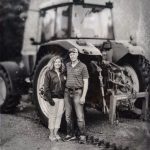
Noreen and Lee Thomas
Melany Thomas started working on her in-law's land in 2019. Her in-laws are Lee and Noreen Thomas. Noreen says farmers need to know how implementing more climate-smart agricultural practices will work for them. Melany says she continues to look for ways to diversify their farming operation.
Bear River Farm
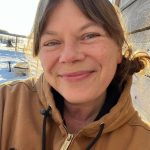
Missy Bakker Roach
Missy Bakker Roach, owner of Bear River Farm, has been farming and developing local food systems through farmers markets in St. Louis County for almost 20 years. She is always looking for ways to improve her operation. Precision agriculture has made her operation more efficient. She is an advocate for more regional food infrastructure and investing in climate resilience. Last year, her area didn't have a spring and this year, her area experienced a warm, dry winter.